
How to Look Up Cleveland County Jail Population Data
The most direct public number comes from the Sheriff's inmate search. The portal returns a total record count of current inmates along with the roster. During research, the public inmate-search endpoint returned 446 records, and current totals change as bookings, releases, and transfers occur. That figure is a point-in-time count, not an official average or a capacity.
For a verified, current count, the steps are simple.
- Open the Cleveland County inmate search.
- View the total record count shown with the roster.
- Treat it as a snapshot for the moment you loaded it.
- Recheck later to see how the count moved.
This page covers what the data means. To search a specific person, use the Cleveland County inmate records page.
What the Public Roster Can and Cannot Measure
The public inmate search is a strong tool for one job and a weak tool for another. It can tell you who is in custody right now and give a current head count. It cannot, on its own, tell you how the population behaves over time.
Here is the honest split. The roster can confirm a current inmate, show booking details, and return a live total. It cannot produce an average daily population, a rated capacity, a verified demographic chart, or a multi-year trend, because it is built to look up people, not to publish statistics. A single count taken at noon can differ from a count taken at midnight on the same day.
Reading the roster as a statistics report leads to errors. The safer approach is to use the roster for what it does well, then turn to county budget records, oversight reports, or federal data for the bigger picture.
Cleveland County Jail Capacity Overview
The jail is the Cleveland County Detention Center, run by the Sheriff's Office. The official pages reviewed did not publish a rated bed capacity, so the table marks that figure as not located. The facility detail that is confirmed is the address, the phone, and the public inmate search link.
| Facility | Address | Phone | Capacity |
|---|---|---|---|
| Cleveland County Detention Center | 2550 W. Franklin Road, Norman, OK 73069 | 405-701-7700 | Not published in official sources reviewed |
Because capacity was not published, do not treat the current roster count as a measure of how full the jail is. A count of current inmates and a rated capacity are two different numbers.
Average Daily Population
Average daily population, or ADP, is the mean number of people held over a period. It smooths out the daily swings that a single roster count cannot. The county did not publish an ADP figure in the sources reviewed, so this page does not state one.
That gap matters. The 446 figure from the inmate-search endpoint is one moment in time. It is not an ADP, and using it as one would be wrong. A real ADP would come from county budget documents, a sheriff's annual report, or jail inspection records, none of which were available with a confirmed number during research.
ADP is the number planners and oversight bodies actually use. It drives staffing, food service, medical contracts, and budget requests. Because it averages many days, it absorbs the spikes that follow a big weekend or a holiday and the dips that follow a wave of releases. A reader who wants to judge how busy the Cleveland County jail is should ask for the ADP, not point to one day's roster.
Demographic Breakdown
A full demographic breakdown would show the population by sex, race, and age. The Cleveland County sources reviewed did not publish those totals. The public roster can include fields such as race and sex on individual records, but a record-level field is not the same as an official population report.
Note: Individual roster fields cannot be added up into an official demographic report, because the public portal is built to look up people, not to publish statistics.
So this page does not present a county demographic chart. If you need those numbers, the county budget office and the Board of County Commissioners records are the places to ask.
Pretrial Versus Sentenced Population
County jails hold two broad groups. Pretrial detainees are held while their cases move through court and have not been convicted. Sentenced inmates are serving a term, often a shorter one, or are waiting on a transfer. The split between the two is a key measure of how a jail is used.
| Group | Status | Cleveland County Figure |
|---|---|---|
| Pretrial | Held while a case is pending | Not published in official sources reviewed |
| Sentenced | Serving a term or awaiting transfer | Not published in official sources reviewed |
Nationally, a large share of jail inmates are held pretrial. The county-specific split was not in the official sources reviewed, so the table marks it as not published rather than guessing.
Misdemeanor Versus Felony Population
The charge level also shapes a jail population. Some people are held on misdemeanor matters, others on felony charges, and some on holds for another agency. The county did not publish a misdemeanor-to-felony breakdown in the sources reviewed.
You can see charge-level detail on individual cases through the court file, not the roster. A name search on OSCN shows the charged counts and their level. For one person, the court records search answers the charge question better than any population figure.
Mental Health and Medical Population
Jails also hold people with mental-health and medical needs, and those details are sensitive. Jail medical records are not public roster fields. The county did not publish a count of inmates with mental-health or medical needs in the sources reviewed.
What the public material does show is intent. The Detention Center frames detention as a possible first step toward recovery and links behavioral-health partners such as Red Rock Behavioral Health Services. Those links describe resources, not a published medical population figure.
National and State Context
To place a county jail in context, researchers use federal data. The U.S. Bureau of Justice Statistics publishes an annual report on jail inmates with national and state figures, including population per 100,000 residents. Those numbers are a benchmark, not a Cleveland County figure, and they must be kept separate.
| Scope | Source | What It Measures |
|---|---|---|
| County | Sheriff inmate search | Point-in-time current count |
| State | BJS Jail Inmates report | Statewide jail population and rate |
| National | BJS Jail Inmates report | National jail population and rate |
Compare the county to the state and national rate only with a matching denominator and method. Without that, a raw count and a rate are not comparable.
Why does this matter for Cleveland County? The county is one of Oklahoma's larger and faster-growing counties, including Norman, part of south Oklahoma City, Moore, Noble, and Lexington. A growing population can change jail demand over time. But a fair comparison still needs the same kind of number on both sides, which is why a point-in-time roster count should not be set next to a per-100,000 rate without the math to match them.
Population Trends Over Time
A trend needs several years of consistent data. No official Cleveland County five-year jail population trend report was located in the sources reviewed. So this page does not chart a trend line.
One recent development is relevant to oversight. County Commissioners issued a release seeking answers about jail safety and inmate deaths at the Detention Center. That is an oversight matter rather than a population statistic, but it explains why jail data and conditions have drawn attention. For the broader update, see the home page section on recent court and jail updates.
Oversight and population data are linked. When a jail faces questions about safety, the public has more reason to want clear numbers on how many people are held, who they are, and how long they stay. Until the county publishes those figures, the best a reader can do is verify the current count, follow the Commissioners records, and treat any single-day number with care.
Programs Inside the Detention Center
Programs affect daily jail life even when population figures are thin. The Detention Center uses video visitation and links service partners for recovery, reentry, and chaplaincy. Visitation rules set the schedule and conduct, and an outside vendor handles scheduling.
The official visitation rules page lists the schedule and the conduct rules.
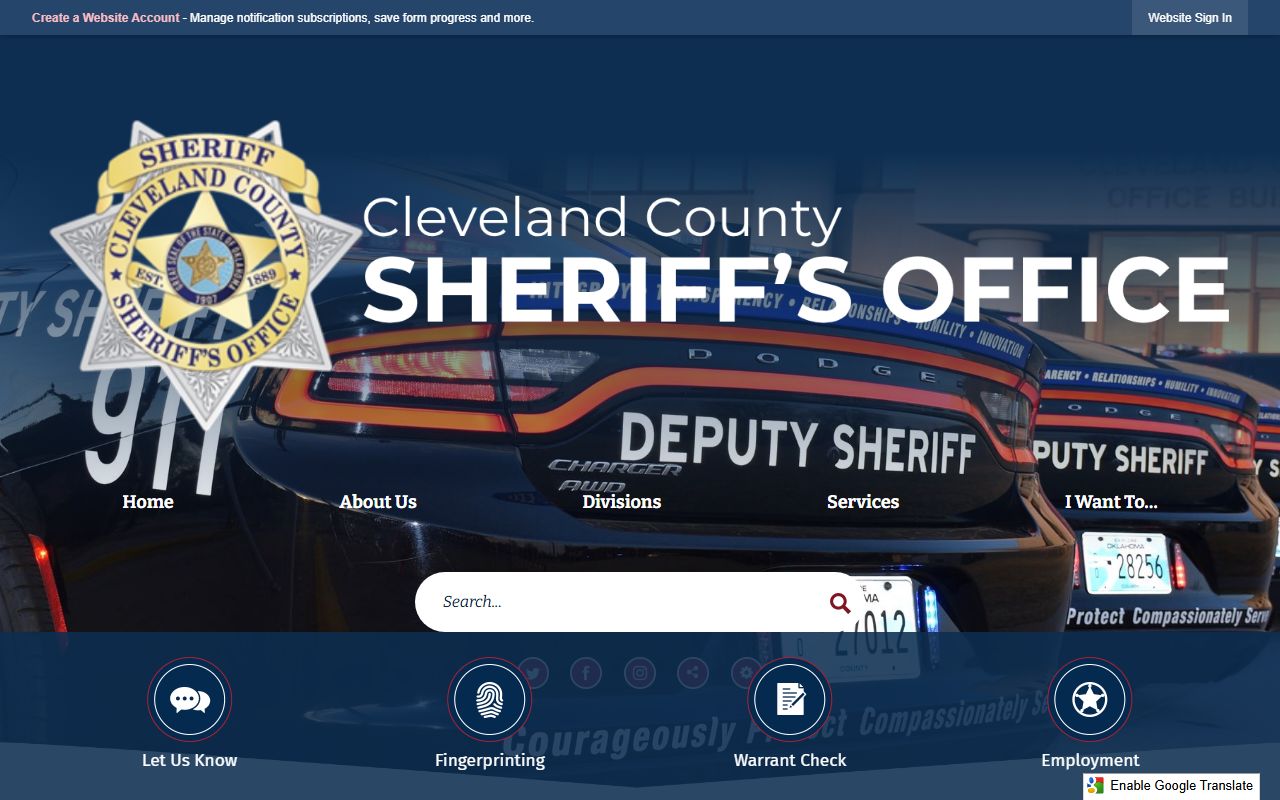
Visits are by video, scheduled one business day ahead, and limited to 30 minutes, with no weekend or holiday visits. Scheduling runs through NCIC.
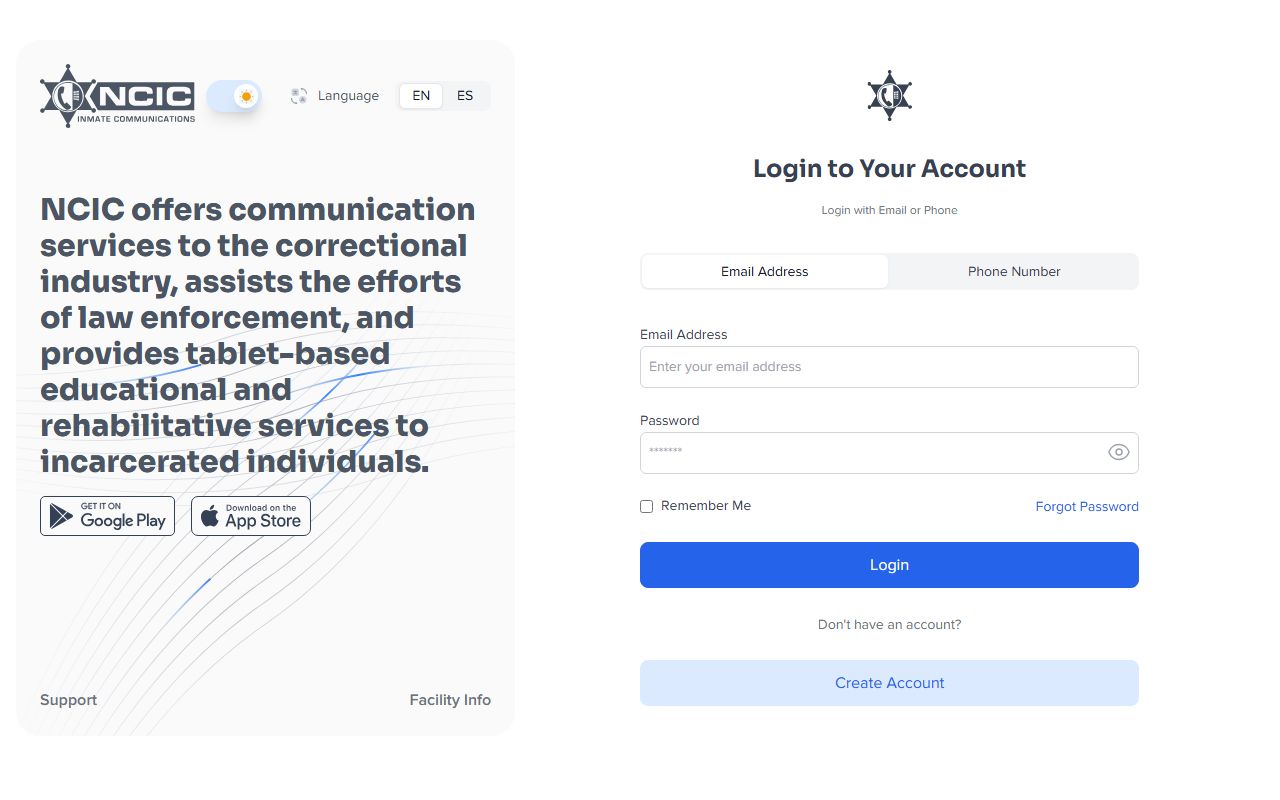
These tools shape how families stay in contact with people in the population. For full rules, see the inmate records page.
Where the Data Comes From
The public count comes from the Sheriff's inmate-search system, which reads live custody data. Deeper figures would come from county budget documents, Commissioners agendas and minutes, sheriff annual reports, state jail inspection records, or the BJS jail report for context. Those were not available with confirmed county numbers during research.
The honest takeaway is this. The public can verify a current roster count, the Detention Center contact, jail oversight news, and the public-records routes. The public cannot, from the official sources reviewed, verify a rated capacity, an ADP, a demographic split, or a multi-year trend. When those numbers matter, request them from the county.
Searching for Cleveland County Inmate Records by Name
This page covers population data, not a single person. To look up one inmate by name, use the inmate roster instead, which shows the booking details for current inmates. Individual-inmate lookups go through the inmate-records search, not the population data above.
For a name search, open the Cleveland County inmate records page. For a person no longer in the jail, see released inmates.