
How to Find Recently Released Cleveland County Inmates
Cleveland County does not publish a separate recently-released list in the official sources reviewed. The public inmate search is built around current inmates. So the method is to check the roster first, then confirm a change through the jail and the court file. A name missing from the roster is a clue, not proof.
Use these steps to confirm a release.
- Search the Cleveland County inmate roster for the name.
- If the name is gone, call the Detention Center to confirm the change.
- Check the OSCN docket for a bond, dismissal, sentence, or transfer entry.
- For a prison transfer, search the Oklahoma DOC offender lookup.
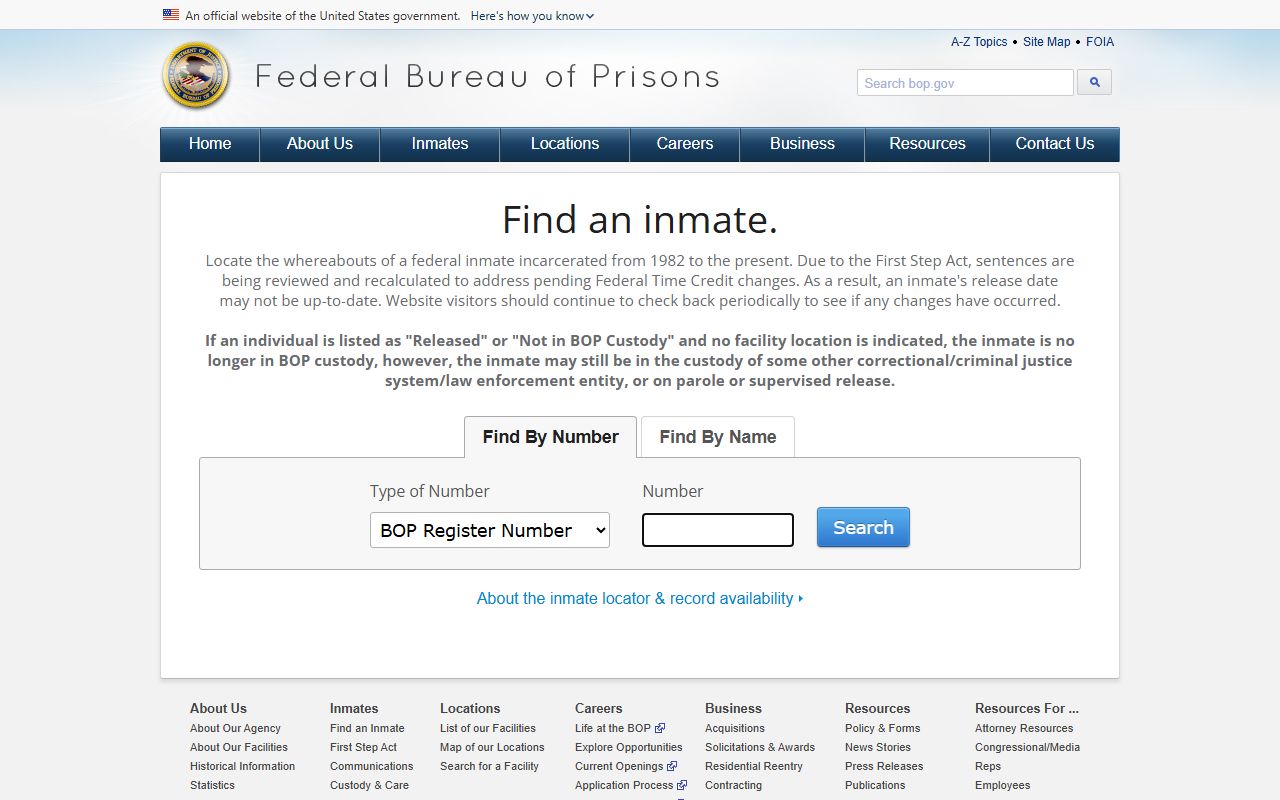
- For federal custody, search the BOP inmate locator.
Release can mean many things, so match the tool to the reason. A bond release shows on the court docket. A prison transfer shows in DOC. The inmate records page covers the live roster in full.
What "Released" Means in Cleveland County
Release is not a single legal status. The word covers many different exits from county custody, and each one points you to a different record. Knowing which type you are dealing with saves a lot of guesswork.
- Released on bond or on personal recognizance before trial.
- Released after charges were declined or dismissed.
- Released after a sentence was served.
- Released to the Oklahoma Department of Corrections.
- Released to federal custody or to another county.
- Released to a treatment or diversion program.
When a release ties to a bond, a court setting, a plea, a dismissal, a sentence, or probation, the court file on OSCN is the source that explains it. When a release ties to jail custody, property, or an urgent check, the Sheriff's Office is the better first call. Use the source that matches the reason, and do not assume one screen tells the whole story.
Property return and exact release steps were not published in the official sources reviewed. Do not rely on rumor or a third-party guide for those details. Call the Detention Center for the current process, and ask what the released person should bring or expect at the door.
Setting Up Release Notifications
VINELink lets you register for an alert when a custody status changes. A victim or any member of the public can sign up by phone or email. When the person is released or moved, the system sends a notice. The search and alert options vary by state and agency.
| Field Label | Type | Required | Notes |
|---|---|---|---|
| State / Agency | Selection | Yes | Choose the jurisdiction or agency. |
| Name or ID | Text | Depends on workflow | Search for a custody record. |
| Phone / Email | Web form | For alerts | Register to get custody-status notices. |
Start at the VINELink site. A VINELink alert is a notice, not certified proof, so request official records when you need proof.
Notifications are most useful for safety planning. A victim in a domestic or assault case can get an early warning when an offender's custody changes. The alert gives you time, but it does not replace a protective order or a safety plan. If you need to document a release for a court, a landlord, an employer, or a benefits office, ask the proper custodian for an official record instead of relying on the alert.
Searching State and Federal Released Inmates
After a state sentence, custody and supervision data sit with the Oklahoma Department of Corrections. For federal custody, the Bureau of Prisons locator is the right tool. Each system has its own search fields.
The BOP inmate locator covers federal inmates from 1982 to today.
| Locator | Search By | Notes |
|---|---|---|
| Oklahoma DOC offender lookup | Name or ODOC number | State-custody status and release or sentence info when available. |
| BOP inmate locator | Name, or BOP, FBI, or other number | Federal inmates; also filter by race, sex, and age. |
A pretrial person held only in the county jail may never appear in DOC or BOP. Use the system that matches the case. For arrest-side records, see arrest records.
The timing of these records also differs. A county release can happen the same day a bond is posted, while a transfer into state prison can take time to show in the DOC system. So a person can be out of the county jail before DOC lists them, or listed in DOC long after the county case ended. Read the dates on each system, and treat a gap between them as normal rather than a sign of an error.
Verifying a Release in Person or by Phone
When a release matters, confirm it with a person, not just a screen. The Detention Center can confirm a current custody change. The Sheriff's Records Division can help with reports. The court docket shows the legal reason behind a release.
Cleveland County Detention Center
2550 W. Franklin Road
Norman, OK 73069
405-701-7700
Sheriff's Office: 405-701-8888
Online data can lag a release, so a recent change may not show right away. A phone call closes that gap.
Have a few details ready when you call. A full name and a date of birth help staff find the right person, and a case number helps even more. Ask a specific question, such as whether the person is still in custody or when they were released, rather than a broad request. Jail staff can confirm a current custody status, but for the legal reason behind a release, the court file is the better record.
The Sex Offender Registry After Release
Registry status is separate from a jail release. A person registers based on the conviction and the law, not on leaving the county jail. The Oklahoma Sex Offender Registry is public after you acknowledge a disclaimer, and it offers several ways to search.
| Field Label | Type | Notes |
|---|---|---|
| Offender name | Search | Search by a specific name. |
| County / City | Search | List by county or city, such as Cleveland County. |
| Crime / Appearance | Filter | Filter by crime or appearance. |
| Zip code / Address radius | Text / radius | List within a zip code or near an address. |
| Community notification | Registration | Get an email when a registrant moves into a set radius. |
Search the Oklahoma Sex Offender Registry for current listings. Registration is governed by the Sex Offenders Registration Act in Title 57.
The registry serves a different purpose than the jail roster. The roster tells you who is in custody now. The registry tells you who must register in the community, which can include people who were released years ago. A person can be off the jail roster, listed in the registry, and not on any current warrant, all at once. Read each source for what it is meant to show.
Parole and Probation Information
Parole and clemency in Oklahoma run through the Pardon and Parole Board, a separate agency from the Department of Corrections. The Board reviews parole, commutation, and pardon matters. Probation is a court-supervised sentence served in the community, and a violation can lead to a warrant and a hearing.
Oklahoma Pardon and Parole Board
State agency, Oklahoma
Parole, commutation, and pardon review
A released person may still be under supervision. For a probation violation warrant, see warrant records.
Supervision changes how "free" a release really is. A person on parole or probation answers to a supervising officer and must follow conditions, such as check-ins, treatment, or travel limits. A missed condition can send the case back to court. So a release from the jail is not always the end of the matter, and the court docket remains the place to track any later hearings or a revocation.
Reentry Resources in Cleveland County
Release often comes with practical needs, from housing to treatment to legal help. The Detention Center page links service partners, and statewide groups help across Cleveland County. These are resources, not guarantees, and a listing is not an endorsement.
- Legal Aid Services of Oklahoma for eligible civil matters.
- Oklahoma Bar Association public legal information.
- Red Rock Behavioral Health Services for behavioral-health support.
- Oxford House Oklahoma for recovery housing.
- OKLaw for self-help legal information.
For links and details, see the self-help and legal aid page. Statewide help includes Legal Aid Services of Oklahoma.
Reentry support works best when it starts early. A family member can gather housing, treatment, and transportation options before the release date, so the person has a plan on day one. The jail frames detention as a possible first step toward literacy, recovery, and reentry, but it does not promise services to every inmate. Treat the listed groups as leads to call, and confirm current intake rules with each one.
Civil Rights Restoration After Release
A felony conviction can affect voting and firearm rights, and the rules differ for each. Some rights return after a sentence is complete, while others need a separate legal step. Because the details turn on the conviction and the current law, this is a question for an attorney or a legal-aid resource, not a general guess.
Note: Release does not by itself restore every civil right, so confirm voting and firearm eligibility with an attorney before you act on an assumption.
For expungement and sealing, which can also matter after release, see arrest records and the FAQ.
Timing rules often apply to these steps. Some forms of relief require a waiting period after a sentence ends, and others require that a case reach a certain outcome first. Because a wrong filing can be denied, it helps to confirm eligibility with an attorney or a legal-aid resource before you start. The court file on OSCN shows the disposition you will need to reference when you ask about restoring rights or sealing a record.